
The Psychological Toll of Self-View in Video Conferencing
Selfie-View Causing Self-Consciousness: How Video Conferencing Affects Our Self-Perception
As remote work and virtual meetings become the new normal, professionals spend hours daily on video calls. However, a subtle yet impactful drawback has emerged: the "selfie-view" problem. Unlike in-person meetings, video conferencing tools often display our own image alongside others, creating a unique layer of self-consciousness that impacts well-being and productivity. Companies like Noro are addressing this issue, offering solutions that allow for more natural, immersive communication.
The Psychological Impact of Self-View
According to researchers at Stanford, the constant self-view during video calls is a significant contributor to what’s known as “Zoom fatigue.” Seeing oneself continuously on screen can lead to heightened self-awareness, causing individuals to be more self-critical and distracted, ultimately affecting their performance and focus in virtual meetings. The Stanford researchers identify this self-monitoring as a key source of fatigue, adding that it can disrupt the natural flow of online collaboration and strain mental energy.
Further research highlighted in Psychology Today suggests that the cycle of self-view creates a feedback loop of self-consciousness and stress, which is amplified in a business setting where virtual collaboration relies on effective engagement. A study conducted by Stanford concludes that this effect is particularly pronounced for women, who often feel heightened pressure to self-monitor due to societal expectations surrounding appearance. For distributed teams relying on smooth remote collaboration, this added layer of stress can hinder the productivity and authenticity of virtual interactions.
How Self-View Changes Communication
The presence of self-view not only contributes to fatigue but also subtly alters the way people communicate. Constantly seeing one’s own image can lead individuals to adjust their behavior, presenting a more “curated” version of themselves rather than engaging naturally. In the context of business meetings, this self-focus can detract from genuine, productive interactions, ultimately reducing team cohesion and effectiveness.
Noro’s Solution for More Authentic Meetings
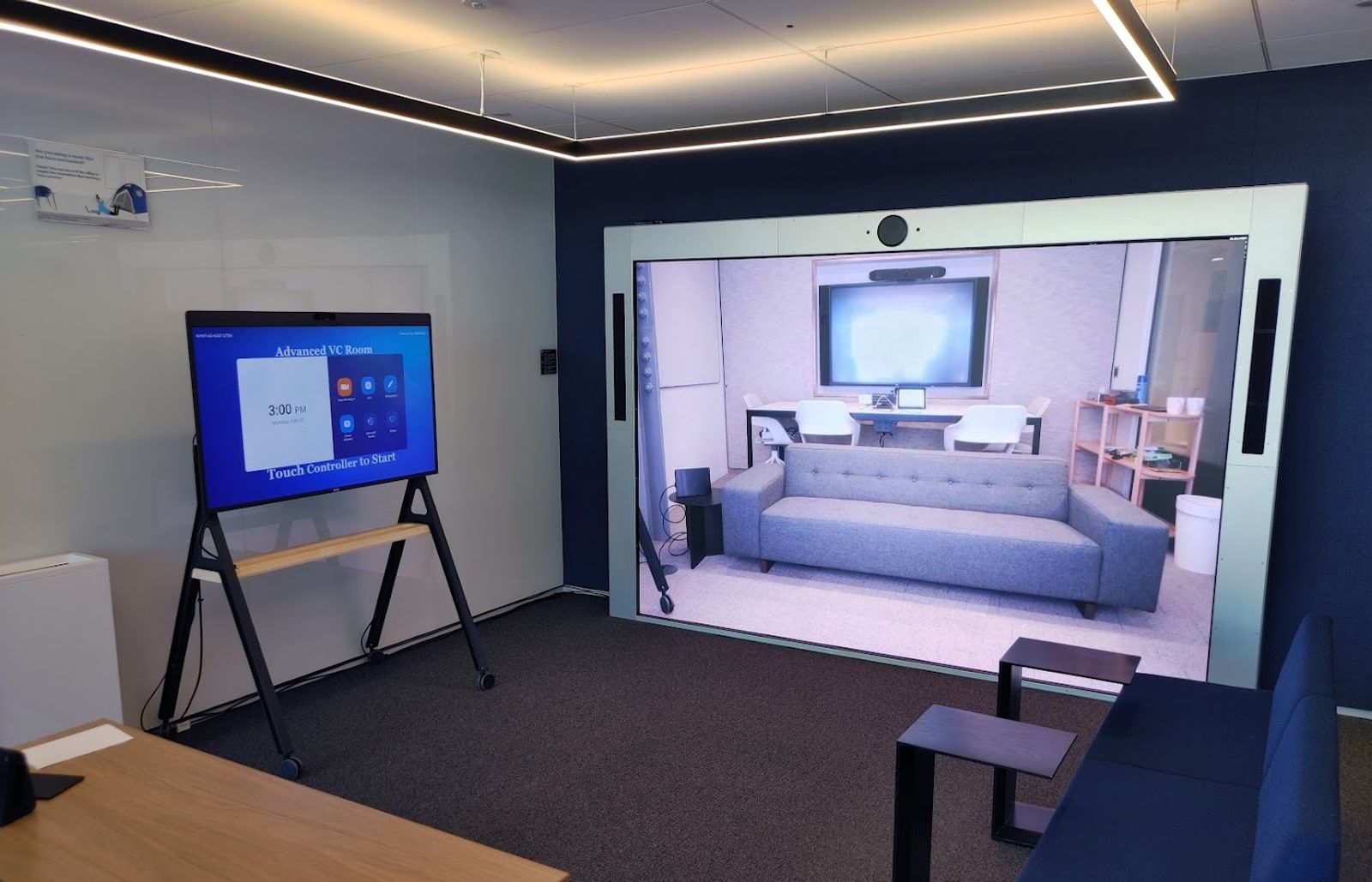
The Noro Portal eliminates self-view distractions, creating an immersive, life-sized meeting experience that mirrors real-life interactions. By removing the prompts for self-surveillance, Noro enhances focus and engagement, allowing teams to connect more naturally. This unique meeting technology minimizes the stress associated with constant self-view, supporting both productivity and mental well-being.
With Noro, virtual meetings have become less about self-monitoring and more about fostering meaningful collaboration. It bridges the gap between in-person and online communication, offering companies a new way to improve team performance and support a healthier work culture.